Thursday, 14 December 2017

Sunday, 11 June 2017
Recovering from addiction, abroad.
Rehabilitation in Portugal
An exciting collaboration between a boutique hotel situated in the tranquil region of the Alentejo, Portugal and an internationally acclaimed UK treatment centre, Western Counselling.
The staff team includes a Psychiatrist, Psychologist and experienced and skilled 12-Step trained Counsellors from Western Counselling in addition to a team of support staff, Chef, housekeepers etc. Structured and boundaried the programme of rehabilitation is 12-Step framework addressing issues of drug, alcohol and process addictions; issues of trauma, negative self esteem and self worth, assertiveness, anger, family dysfunction, relationship breakdown, guilt and shame and relapse prevention are all explored and addressed as part of the treatment process. Psycho social interventions include group therapy, educational workshops and 1:1 counselling sessions. Holistic therapies (yoga, fitness, art and equine therapy)occur daily, excursions and attendance at AA/NA meetings in the community are attended weekly.
The environment is calm and peaceful with large gardens, a swimming pool and tennis court. The accommodation is ground floor, single occupancy and ensuite; there are 7 bedrooms. Privacy, confidentiality and anonymity are assured.
Clients requiring a detoxification are referred to clinics in UK, including Western Counselling and Acer Clinic, Bristol dependent on their needs. A clinic in Lisbon is also used as necessary.
For further information call us now on 0800 040 8346


from Western Counselling https://www.westerncounselling.com/blog/addiction-2/addictions-treatment-portugal/
via Alcohol
Wednesday, 15 February 2017
Western Counselling in Africa.
Western Counselling has been working with The Addictions and Recovery Trust in Harare, Zimbabwe to set up a 12step recovery programme, the first of its kind in Zimbabwe.
Read our other articles about our time in Africa here and here.
The First Step opened 23 January 2017 in Harare. It is a recovery day programme delivering group sessions, workshops and 1:1 counselling to clients as part of an ongoing programme. Aftercare is delivered to those who’ve returned to Zimbabwe from treatment in South Africa and elsewhere and is a much-needed resource. The intention is to grow The First Step and deliver it nationally amongst the diverse communities.
Staff from The First Step have been trained in Weston super Mare with Western Counselling, learning about programme delivery, referrals and admissions, governance etc.
Carol, Amanda and Rob were in Harare for the opening of the new service. Carol was able to stay for 3weeks afterwards to help the staff and clients to integrate and “bed in” best practice and service delivery.
Ongoing The First Step will continue to be supported by Western Counselling with support, training, policy and practice updates, annual service audit and monthly line and external supervision.
Volunteers will travel to Zimbabwe to assist in all areas including support work, admin, recovery programme delivery and reciprocally Western Counselling will continue to train all new staff in the UK.
Western Counselling, staff and volunteers are extremely excited to be part of this new venture bringing addiction recovery resources to Zimbabwe.

from Western Counselling https://www.westerncounselling.com/blog/addiction-2/western-counselling-in-africa/
via Alcohol
Tuesday, 7 February 2017
Western Counselling in Zimbabwe
Week commencing 09 January 2017.
Read our previous entry.
We’ve arrived in Harare and its raining! Can you believe that? We leave the cold and frozen UK for Africa and its raining!! January is apparently the rainy season, we were warned, however nothing can quite prepare you for the deluge when it comes; lightening, thunder and torrential downpour that can last for hours.
So, why are we here?
Western Counselling is partnering with a not for profit organisation called The Addictions and Recovery Trust who are starting the process of educating Zimbabwe about addictions and recovery. We are assisting them in setting up their first project which is a 12 Step day programme in Harare, The First Step.
Last year, Amanda travelled over to start the process and meet with the team and since September 2016 we’ve had members of the team from The First Step training at Western Counselling learning about treatment programme delivery, referrals and admissions, policy and protocols etc. Its been an honour to host them and have them as part of our team and we intend this to continue in 2017 and onwards. Amanda is back in Harare with Carol and Rob to assist with the launch of The First Step on Monday 23 January.
The First Step is delivering a structured and boundaried 12 Step day programme incorporating many of Western Counselling’s unique elements and educational workshops. When Amanda and Rob return to Weston super Mare at the end of January, Carol will stay on to assist Ndaba, Dave, Penny et al to deliver the programme; she will return to us at Western Counselling in February.
Mid January a Loss to Addiction service was organised in Harare in collaboration with the Kurarama Trust. There was a programme of music and speakers sharing their stories of bereavement and loss, candle lighting and an opportunity to share and mourn as a community. Over 100 people attended the beautiful service.
The welcome and encouragement we have received since we arrived in Zim has been incredible. Interest has been received from all sectors of the community and we are all really excited to see what happens as the service develops and grows over the coming months and years.
Are you interested in travelling to Zimbabwe and volunteering with The First Step in Harare? Please follow the work of The Addiction and Recovery Trust and The First Step Africa on Facebook.
Amanda Thomas


from Western Counselling https://www.westerncounselling.com/blog/addiction-2/western-counselling-in-zimbabwe/
via Alcohol
Wednesday, 1 February 2017
Gender Based Addiction Treatment.
What are the main reasons women give for not wanting to go into an all women’s treatment centre?
At Western Counselling we offer a residential programme with single sex accommodation. An opportunity for men and women to focus on their core issues and explore and address issues with the opposite sex. Many women particularly find the thought of living in a single sex environment challenging and come up with a range of excuses as to why it won’t be suitable for them.

So, how do we change this in treatment? When a new female comes into Western Counselling for the treatment of their addiction they are put with a fellow female peer, the peer is often someone that is further into the programme and is settled. They will look after the new person offering support and to show them the ropes and reassure them that they will settle. They will share a room with their buddy so they are not alone. After a couple of days the feedback is that the new person has settled well and has been made to feel welcome which is the opposite of their initial perception.
Our specific Female gender day is designed to address women’s issues that have frequently been experienced by most and a way of bonding. It may be going for a coffee together and chatting and laughing, something most haven’t done for a long time if ever. The women are taught other new skills from baking, card making or more recently flower arranging. They often have pamper afternoons where they will give each other a manicure and this helps with the bonding and learning to form good connections and relationships.
They soon realise that they don’t get on better with men they have found men easier to manipulate or that the relationship is very controlling. This comes from the workshops and by sharing their experiences.
Caroline Pantzelioudaki
Counsellor – special interest in women’s therapy.
Meet Caroline and the team

from Western Counselling https://www.westerncounselling.com/blog/residential-rehabilitation/womens-drug-rehabilitation-centres/
via Alcohol
Thursday, 3 November 2016
Quality Rehab With Great Outcomes For Our Clients.
I’ve spent most of the week auditing our records and sorting our outcome 
Great Stats for us: Anyway….. I’ve completed the stats and it’s great to see that yet again we’ve made improvements in retention and engagement.
- 92% of clients completed their detox at Western Counselling
- 98% referred for an alcohol detox completed their withdrawal programme
- 85% completed Secondary Care (meaning they actually completed 6 months in treatment)
These figures don’t include those who decide they had sufficient residential treatment and wanted to conclude their recovery programme in the community.
Naïvity of NTA : It’s frustrating to hear that the NTA (National Treatment Agency) considers that residential treatment sector is not achieving positive outcomes compared with structured day care in the community. The NTA make this decision based on the data they receive through National Drug Treatment Monitoring System (NDTMS): data that all services in England are required to complete for each client that enters the treatment system.
What the NTA have naively miscalculated is that NDTMS doesn’t really “fit” the residential sector. The data we are asked to input is flawed – as it doesn’t include some of the untidier aspects of the work we do. For example, how to take into account how physically and mentally unwell clients may be on admission…how we only have a limited period to work with these individuals (compared with the community who may be seeing clients for years)… and the fact that clients are away from their families and friends which can be quite unsettling for some etc. etc. …..
Why do commissioners waste public funds?
When our detox is FREE and successful. We can clearly demonstrate that 92% of clients referred to us for a detox successfully completed their withdrawal programme (a stat many a detox ward would love to produce) and our detox programme is actually free of charge. But commissioners continue to prefer to purchase detox using public money from their local hospital or inpatient detox provider.
How daft is that? We are FREE and obviously successful but public money is being spent delivering services that are already being offered as part of a residential programme at no additional charge.
Maybe we should start charging for this service, would that give it extra kudos? If I’m paying for something these days I want best value and best quality, I think I have evidence that we are providing just that.

from Western Counselling https://www.westerncounselling.com/blog/addiction-issues/rehab-addiction-issues/client-outcomes/
via Alcohol
Wednesday, 26 October 2016
Discrimination Even in Death
When there is a death we mourn the passing, we share our grief and take solace from the comfort offered by others. However, when addiction is involved the situation changes. “Oh well, it’s just another dead junkie!” “One less on our streets!” “No waste there!” These are all comments I have heard and there are more.
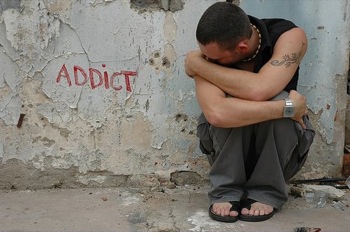
Sadly, when an addict/alcoholic dies all too many families take the decision to limit the truth about the death of their loved one preferring the white lie – “an aneurysm, very sudden!” “A brain tumour, we never knew!” “Heart problems”. In no other situation that I can think of would we ever lie or minimise the truth about someone’s death. Perhaps in the ‘80’s there was a similar stigma surrounding HIV deaths. But discrimination around drug and alcohol use has reached ridiculous proportions.
Discrimination: Headlines scream “junkie”, but why is this considered ok? Why is it considered appropriate for our national media to use these phrases and make them part of our everyday language? No other marginalised or vulnerable group would permit it. In fact, we’d all be up in arms, screaming and citing discrimination. We’ve come a long way with rights on LGBT, disability, mental health and ethnic minorities. There may still be a long way to go, but at least action can be taken when these groups suffer abuse of their condition, race, creed, sexuality, even age!
When will this same consideration be extended to the bereaved families and friends of an addict? Will they ever be able to hold their heads high and say “ yes, sadly he/she died of an overdose”, “ he or she had been drinking excessively for a long time, it was only a matter of time”, “He/she struggled with addiction for many years, it has been very sad for us all”?
There are church services held specifically for families who have been bereaved through addiction. These services give them an opportunity to stand up and speak about addiction. For many, it’s the first time they can say “In memory of my son/daughter who died from an overdose/drinking too much”. It’s a release; the chance to be honest about the death and be comforted by others who know only too well the discrimination they’ve faced.

Why do people, normal hard working, caring individuals consider it acceptable to discriminate in this fashion? I have friends who, forgetting my situation, have made derogatory remarks about drug and alcohol users. I try not to judge them and to rise above it. I’ve lived with the disease of addiction and I’ve experienced bereavement as a result of it. Now I’m proudly standing tall, all 5ft 10’’ of me, and proclaiming my role in helping to reduce discrimination in life.
I’m part of a fantastic service that has delivered help, treatment and support to thousands of individuals and their families. We are an important resource. I’m going to be very loud because I am very proud.

from Western Counselling https://www.westerncounselling.com/blog/death-from-addiction/discrimination/
via Alcohol