Friday, 20 July 2018

Wednesday, 13 June 2018
Recovering emotionally and physically
Scars and wound marks are just a few of the physical issues that recovering addicts must contend with.It is common for those embarking on a new life of recovery to look at surgery to repair or hide old wounds.
Intravenous use and self harm are just a few causes. Now there are a variety of surgeries and treatments that can help recover some of the consequences of the past.
Surgeons like Guy Sterne provide scar revision treatment that can significantly improve scarring and support a life of long term recovery.
Visit his website for further information.
Here are some examples of his work:


Saturday, 12 May 2018
Do the 12 steps work?
Working the 12 step programme
Do the 12 steps actually work?
A question that can provoke a plethora of responses depending on the opinion of the individual asked. It’s not always as straightforward as a simple yes or no.

My early experience with a 12 Step programme was with Alcoholics Anonymous way back in the early 1980’s. Did I want to stop drinking or taking drugs? No. So why did I go? I remember one particular evening when I was filled with despair, more than what I usually felt. My life was spiralling out of control, my then husband threatened to kick me out of our home and take our two-year-old daughter away from me permanently; I got scared, so scared that I contacted Alcoholics Anonymous who agreed to send someone round to talk to me. These kind people took me to Alcoholics Anonymous meetings and I hated it, I believed it to be a cult, I left notes around the house informing whoever found them that in the case of my disappearance “they had got me”. Bottom line was I didn’t want abstinence; I wanted to get the family off my back and wanted to learn how to control my drinking and drug use. I also recoiled at the word God, furthermore, I latched onto it to justify why AA and the 12 Steps were not for me.
God???
Religion????
I only actually heard the “God” word about twice but it gave me the excuse I was looking for.
Fast forward 17-18 years and I’m sat in a 12 Step Drug and Alcohol treatment facility, forty years old, homeless, divorced and my two children no longer in my care. I had heard my story told by other men and women when I first went to Alcoholics Anonymous all those years ago but in my arrogance, I believed that would never happen to me. I had been in the system for multiple years and was desperate
On July 18, 2018, I will celebrate 18 years of recovery from alcohol and drugs. I have no doubt that without meetings and a programme I would not be where I am physically and emotionally. The Steps are a guide to living, about doing the right thing, about being considerate of others, to learn to love yourself and to become a productive member of society and so much more. If I am asked to name just one thing that the 12 Steps have given me, then my reply would be the gift of freedom and anyone who is or has been trapped in the cycle of addiction will know exactly what I am talking about.
So do the 12 Steps work? Yes, they do if you want them to.
Amanda Thomas
Apply Online


from Western Counselling https://www.westerncounselling.com/blog/recovery-2/do-the-12-steps-work/
via Alcohol
Wednesday, 2 May 2018
Why am i an addict?
Why am I an addict, when my friends use drugs too?
Understanding drug addiction.
Drug use in the UK is extremely common, almost considered a rite of passage for our youth.
With drug use evident on our streets, and drug-related deaths in the UK higher than anywhere else in Europe, it’s interesting to note that according to government statistics drug use is on the wane. Or am I cynical? Is it just the stats saying what everyone wants them to say?
Use of legal highs is huge, cocaine use is growing amongst young adults and cannabis is no longer considered a drug by our young people. Government data, however, concentrates on Problematic Drug Use (PDU’s) and that is heroin and crack cocaine.
Not everyone who uses drugs and alcohol will have issues or become addicted to those substances. For many, they are a relaxant, part of a social scene.

There is a very definite line between recreational/social us and addiction.
There is little doubt about what drug use and addiction can do to an individual, from the physical health risks and psychological toll it takes on the addict and their family to the dangers of overdose and death. However, most people who use drugs and alcohol will either remain unscathed through a short period of experimentation or learn to accommodate their use into their lifestyle, adjusting their patterns of use so it doesn’t interfere with daily obligations with work, family or education.
We, therefore, have to ask…how can some people avoid the hazards of addiction and “use responsibly” and function normally?
Why is it that some people become addicts and others don’t?
The main reason why some people get trapped in a cycle of substance dependence and abuse is due to the fact they have pre-existing vulnerabilities or risk factors that increase their risk.
For example, people that don’t have a family history or multi-generational history of drug and alcohol use will have a low risk of developing addictive behaviours.
People that have excellent social support–from family, relatives, peers and other important people in their lives–are also less likely to develop drug and alcohol problems.
Age of first use can also play a role. Teens who start using drugs before the age of 14 are at much higher risk of addiction than those who wait until their late teens or twenties.
Adverse Childhood Experience (ACE) or trauma can lead to a self-medicating cycle, as can underlying untreated mental and emotional health issues; this, in turn, can lead to an addictive cycle of drug and/or alcohol use leading to dependency.
Addiction isn’t limited to class, economic status, environment or culture, however, there is a prevalence in the poorest communities linked to poor housing, education and employment opportunities.
Paul Hayes -IFL Science website: Most drug users are intelligent resourceful people with good life skills, supportive networks and loving families. These assets enable them to manage the risks associated with their drug use, avoiding the most dangerous drugs and managing their frequency and scale of use to reduce harm and maximise pleasure. Crucially they will have access to support from family and friends should they begin to develop problems, and a realistic prospect of a job, a house and a stake in society to focus and sustain their motivation to get back on track.
In contrast, the most vulnerable individuals in our poorest communities lack life skills and have networks that entrench their problems rather than offering solutions. Their decision making will tend to prioritise immediate benefit rather than long-term consequences. The multiplicity of overlapping challenges they face gives them little incentive to avoid high-risk behaviours.
In reality we have no clear determinant of addiction, however if we all take a step back and look at our own behaviours with honesty, many of us will see how we use substances (maybe food, carbohydrates, sugar), shopping – retail therapy is often considered a joke, however, be clear, it isn’t if you have an addictive personality – people, relationships, sex and love to feel better, to “fix our feelings”, many of us will realise that we have the markers for an addictive personality and will on occasion (some maybe frequently?) behave compulsively.
Some people are able to manage their addictive behaviours, however many will find themselves sliding into negative patterns of use. Some individuals will notice the downwards progression and take remedial action, others will find themselves in need of a detoxification programme and period of rehabilitation to review, address and heal their issues that have caused or arisen as a result of their drug and/or alcohol use.
Whilst it may be said that some people are “born to be addicts”, the truth is that addiction can affect ANYONE, no matter their age, race, sex, or socioeconomic background.
Get information on why you cannot stop drinking.
Amanda Thomas,
Western Counselling

from Western Counselling https://www.westerncounselling.com/blog/addiction-2/drug-addicted-addictions/
via Alcohol
Friday, 20 April 2018
Monday, 19 March 2018
Why Can’t I Stop Drinking?

Western Counselling
Why Can’t I Stop Drinking?
Overcoming alcohol addiction
How to stop drinking and start a recovery life
This is such a common lament we hear from people trying to quit and feeling more and more hopeless and miserable with each attempt. “I make daily decisions to stop drinking, but never do” and “I obsess about alcohol when I don’t have it” also “Alcohol helps me control the way I feel – without it I can’t cope”
Alcohol detox can be unpleasant, with some clients experiencing hallucinations, shakes and insomnia. Others seem to sail through the process of withdrawal with no feelings of discomfort. Whichever you prove to be, it’s the maintaining and sustaining sobriety that proves to be the most difficult.
There are various thoughts and explanations of why it can be difficult to stop, there’s both a science perspective and the emotional wellbeing point.
Western Counselling was founded in 1982 and has always supported alcoholics to achieve and maintain longterm sobriety
Text RECOVER and your FIRST NAME to 82223 and we will call you back
Apply for our residential treatment by completing our online form


I will briefly explain them and you can make your own decisions, take what you like and leave the rest as is said at the start of every Al-Anon meeting…
Scientific analysis
Scientists discovered that due to differing brain structures, alcoholics manufacture a chemical – Tetrahydroisoquinoline THIQ – that is very similar to heroin: when heroin is used and broken down in the body, a by-product is THIQ, a scientist in Houston, Texas discovered alcoholics produced this chemical too. When alcohol is consumed by a “normal drinker” the body converts alcohol into acetaldehyde, this toxic substance is changed into acetic acid, then to carbon dioxide and water which is dispelled through the kidneys and lungs. For an alcoholic this happens too, however, THIQ is also produced and stored in the brain. THIQ quantities that rigger escalation to alcoholic drinking is believed to differ from person to person, however when it happens they will behave just as compulsively as someone craving heroin.
There are studies that demonstrate this abnormality in body chemistry is genetic and by exploring family genographs, a disposition can be traced to the production of THIQ.
There is an evidenced link between addictive behaviours and trauma. This can be an Adverse Childhood Experience (ACE), emotional, sexual or physical abuse or traumatic experience including divorce, bereavement etc. Trauma will be personal to the individual and what may be traumatic to one may not be considered as serious to another. What can then happen is individuals will self-medicate the pain of the trauma using what ever substance – including alcohol – or process (gambling, exercise, eating, purging, gaming, sex & love etc) whatever they feel works best for them.
This self medicating fills a “hole”. They “use” to feel better and stuff that hole to feel whole again, a cyclic pattern that is destructive and a self fulfilling downward spiral.
When we try to stop drinking alcohol we find the compulsion too strong, we use the alcohol to feel better, to forget, to drown the pain or fill the void. Only by acknowledging the trauma and pain, acknowledging its existence and coming to terms with the damage, can we start the process of moving on and Letting Go – a term we use a lot in addiction recovery.
We can all have our own thoughts on why we cant stop drinking, however, we all can find recovery, it’s a decision we take to change our lives and then a further decision we make every day to not return to that self-destructive pattern of behaviour. Recovery and treatment is available and it works, if you work it. It’s your choice.
It’s not the third or fourth drink that’s the problem it’s the first, and this is true of all addictive disorders. Every day we make a decision that just for today we won’t consume alcohol, or whatever our substance/behaviour of choice may be.
Some people may feel they need to be removed from society to get some sober time and this is often when they will consider a treatment centre, residential rehab perhaps like Western Counselling.
Removing oneself without a treatment element can be considered “doing a geographical” – thinking the grass is greener, or by going somewhere whilst the usual triggers will not occur. This is highly unlikely because treatment gives you opportunities to explore your experiences, trauma, drinking patterns and find new ways to deal with triggers, pain and difficult feelings. Treatment is an opportunity for you and those who love you to heal. Treatment is an opportunity to remove yourself form your reality, learn new, healthy patterns for your life in sobriety.
Western Counselling was founded in 1982 and has always supported alcoholics to achieve and maintain longterm sobriety
Text RECOVER and your FIRST NAME to 82223 and we will call you back
Apply for our residential treatment by completing our online form

from Western Counselling https://www.westerncounselling.com/blog/addiction-issues/intervention/overcoming-alcohol-addiction/
via Alcohol
Tuesday, 6 February 2018
Horrors of Alcohol
Alcohol is no laughing matter
Alcohol, legal, sociable and currently the third leading cause of preventable death.
Quite a shocking statistic isn’t it? Alcohol will kill 1 in 10 Americans aged 20-64 this year and someone somewhere will die every 10 seconds because of it.
Stop! Think! Process those statistics for a moment.
Time for another shocker? High-risk drinking amongst women has increased by 60% in the last 10yrs and alcohol use disorder has nearly doubled.
And yet we continue to use women as part of alcohol marketing, we make light of yummy mummy’s little tipple at night, we encourage wine and nibbles at Book Clubs – I’ll have a rant about the nibbles and obesity on another occasion! – we are encouraged to laugh at the sight of young women toppling about on high heels, drunk on a night out.

Alcohol advertising specifically targets younger women, slim neat bottles of beer, pink bubbly wines, sexy women swaying on the beach as they mix a rum cocktail, phallically shaped bottles for glugging after a workout.
Now, come on, time to face the truth. We are normalising risky drinking behaviours. We are normalising daily drinking when we are bombarded with health advice that more than one drink a day for a woman, is risky due to the difference in how we metabolise alcohol. We get conflicting messages telling us that red wine is good for us, wine in pregnancy is good for the foetus, blah blah blah. The internet is increasingly being used to promote humour and alcohol use to women through social media, deliberating targeting us and giving an image of liberation and spontaneity; and have you tried to buy a birthday or greetings card for a friend/relative that doesn’t drink? Jokes are being made at our expense, jokes about something that is killing us and normalizing addiction.
We would be horrified to view active drug use on our tv’s, PC’s and tablets and yet we consider the legal excessive use of alcohol, which is proving to be so much more dangerous than opiates into our homes daily and viewed by our children.
Really? Really are we so stupid, so naïve that we can be manipulated so easily?
We need to role model to our young women healthy behaviour around alcohol, we are being watched and increasingly we are seeing larger numbers of women being admitted to rehab – national statistics state twice as likely.. twice!!! This is scary
Check out the NACOA (National Assoc for Children of Alcoholics) work recently highlighting the children’s views of their lives with alcohol. Its gut-wrenchingly painful reading and I know as I have personal experience.
We need to stand up and say Enough, no more, time for action; 3 million deaths worldwide annually, no more.
Amanda Thomas.

from Western Counselling https://www.westerncounselling.com/blog/addiction-2/alcohol/can-i-recover/
via Alcohol
Thursday, 14 December 2017
Sunday, 11 June 2017
Recovering from addiction, abroad.
Rehabilitation in Portugal
An exciting collaboration between a boutique hotel situated in the tranquil region of the Alentejo, Portugal and an internationally acclaimed UK treatment centre, Western Counselling.
The staff team includes a Psychiatrist, Psychologist and experienced and skilled 12-Step trained Counsellors from Western Counselling in addition to a team of support staff, Chef, housekeepers etc. Structured and boundaried the programme of rehabilitation is 12-Step framework addressing issues of drug, alcohol and process addictions; issues of trauma, negative self esteem and self worth, assertiveness, anger, family dysfunction, relationship breakdown, guilt and shame and relapse prevention are all explored and addressed as part of the treatment process. Psycho social interventions include group therapy, educational workshops and 1:1 counselling sessions. Holistic therapies (yoga, fitness, art and equine therapy)occur daily, excursions and attendance at AA/NA meetings in the community are attended weekly.
The environment is calm and peaceful with large gardens, a swimming pool and tennis court. The accommodation is ground floor, single occupancy and ensuite; there are 7 bedrooms. Privacy, confidentiality and anonymity are assured.
Clients requiring a detoxification are referred to clinics in UK, including Western Counselling and Acer Clinic, Bristol dependent on their needs. A clinic in Lisbon is also used as necessary.
For further information call us now on 0800 040 8346


from Western Counselling https://www.westerncounselling.com/blog/addiction-2/addictions-treatment-portugal/
via Alcohol
Wednesday, 15 February 2017
Western Counselling in Africa.
Western Counselling has been working with The Addictions and Recovery Trust in Harare, Zimbabwe to set up a 12step recovery programme, the first of its kind in Zimbabwe.
Read our other articles about our time in Africa here and here.
The First Step opened 23 January 2017 in Harare. It is a recovery day programme delivering group sessions, workshops and 1:1 counselling to clients as part of an ongoing programme. Aftercare is delivered to those who’ve returned to Zimbabwe from treatment in South Africa and elsewhere and is a much-needed resource. The intention is to grow The First Step and deliver it nationally amongst the diverse communities.
Staff from The First Step have been trained in Weston super Mare with Western Counselling, learning about programme delivery, referrals and admissions, governance etc.
Carol, Amanda and Rob were in Harare for the opening of the new service. Carol was able to stay for 3weeks afterwards to help the staff and clients to integrate and “bed in” best practice and service delivery.
Ongoing The First Step will continue to be supported by Western Counselling with support, training, policy and practice updates, annual service audit and monthly line and external supervision.
Volunteers will travel to Zimbabwe to assist in all areas including support work, admin, recovery programme delivery and reciprocally Western Counselling will continue to train all new staff in the UK.
Western Counselling, staff and volunteers are extremely excited to be part of this new venture bringing addiction recovery resources to Zimbabwe.

from Western Counselling https://www.westerncounselling.com/blog/addiction-2/western-counselling-in-africa/
via Alcohol
Tuesday, 7 February 2017
Western Counselling in Zimbabwe
Week commencing 09 January 2017.
Read our previous entry.
We’ve arrived in Harare and its raining! Can you believe that? We leave the cold and frozen UK for Africa and its raining!! January is apparently the rainy season, we were warned, however nothing can quite prepare you for the deluge when it comes; lightening, thunder and torrential downpour that can last for hours.
So, why are we here?
Western Counselling is partnering with a not for profit organisation called The Addictions and Recovery Trust who are starting the process of educating Zimbabwe about addictions and recovery. We are assisting them in setting up their first project which is a 12 Step day programme in Harare, The First Step.
Last year, Amanda travelled over to start the process and meet with the team and since September 2016 we’ve had members of the team from The First Step training at Western Counselling learning about treatment programme delivery, referrals and admissions, policy and protocols etc. Its been an honour to host them and have them as part of our team and we intend this to continue in 2017 and onwards. Amanda is back in Harare with Carol and Rob to assist with the launch of The First Step on Monday 23 January.
The First Step is delivering a structured and boundaried 12 Step day programme incorporating many of Western Counselling’s unique elements and educational workshops. When Amanda and Rob return to Weston super Mare at the end of January, Carol will stay on to assist Ndaba, Dave, Penny et al to deliver the programme; she will return to us at Western Counselling in February.
Mid January a Loss to Addiction service was organised in Harare in collaboration with the Kurarama Trust. There was a programme of music and speakers sharing their stories of bereavement and loss, candle lighting and an opportunity to share and mourn as a community. Over 100 people attended the beautiful service.
The welcome and encouragement we have received since we arrived in Zim has been incredible. Interest has been received from all sectors of the community and we are all really excited to see what happens as the service develops and grows over the coming months and years.
Are you interested in travelling to Zimbabwe and volunteering with The First Step in Harare? Please follow the work of The Addiction and Recovery Trust and The First Step Africa on Facebook.
Amanda Thomas


from Western Counselling https://www.westerncounselling.com/blog/addiction-2/western-counselling-in-zimbabwe/
via Alcohol
Wednesday, 1 February 2017
Gender Based Addiction Treatment.
What are the main reasons women give for not wanting to go into an all women’s treatment centre?
At Western Counselling we offer a residential programme with single sex accommodation. An opportunity for men and women to focus on their core issues and explore and address issues with the opposite sex. Many women particularly find the thought of living in a single sex environment challenging and come up with a range of excuses as to why it won’t be suitable for them.

So, how do we change this in treatment? When a new female comes into Western Counselling for the treatment of their addiction they are put with a fellow female peer, the peer is often someone that is further into the programme and is settled. They will look after the new person offering support and to show them the ropes and reassure them that they will settle. They will share a room with their buddy so they are not alone. After a couple of days the feedback is that the new person has settled well and has been made to feel welcome which is the opposite of their initial perception.
Our specific Female gender day is designed to address women’s issues that have frequently been experienced by most and a way of bonding. It may be going for a coffee together and chatting and laughing, something most haven’t done for a long time if ever. The women are taught other new skills from baking, card making or more recently flower arranging. They often have pamper afternoons where they will give each other a manicure and this helps with the bonding and learning to form good connections and relationships.
They soon realise that they don’t get on better with men they have found men easier to manipulate or that the relationship is very controlling. This comes from the workshops and by sharing their experiences.
Caroline Pantzelioudaki
Counsellor – special interest in women’s therapy.
Meet Caroline and the team

from Western Counselling https://www.westerncounselling.com/blog/residential-rehabilitation/womens-drug-rehabilitation-centres/
via Alcohol
Thursday, 3 November 2016
Quality Rehab With Great Outcomes For Our Clients.
I’ve spent most of the week auditing our records and sorting our outcome 
Great Stats for us: Anyway….. I’ve completed the stats and it’s great to see that yet again we’ve made improvements in retention and engagement.
- 92% of clients completed their detox at Western Counselling
- 98% referred for an alcohol detox completed their withdrawal programme
- 85% completed Secondary Care (meaning they actually completed 6 months in treatment)
These figures don’t include those who decide they had sufficient residential treatment and wanted to conclude their recovery programme in the community.
Naïvity of NTA : It’s frustrating to hear that the NTA (National Treatment Agency) considers that residential treatment sector is not achieving positive outcomes compared with structured day care in the community. The NTA make this decision based on the data they receive through National Drug Treatment Monitoring System (NDTMS): data that all services in England are required to complete for each client that enters the treatment system.
What the NTA have naively miscalculated is that NDTMS doesn’t really “fit” the residential sector. The data we are asked to input is flawed – as it doesn’t include some of the untidier aspects of the work we do. For example, how to take into account how physically and mentally unwell clients may be on admission…how we only have a limited period to work with these individuals (compared with the community who may be seeing clients for years)… and the fact that clients are away from their families and friends which can be quite unsettling for some etc. etc. …..
Why do commissioners waste public funds?
When our detox is FREE and successful. We can clearly demonstrate that 92% of clients referred to us for a detox successfully completed their withdrawal programme (a stat many a detox ward would love to produce) and our detox programme is actually free of charge. But commissioners continue to prefer to purchase detox using public money from their local hospital or inpatient detox provider.
How daft is that? We are FREE and obviously successful but public money is being spent delivering services that are already being offered as part of a residential programme at no additional charge.
Maybe we should start charging for this service, would that give it extra kudos? If I’m paying for something these days I want best value and best quality, I think I have evidence that we are providing just that.

from Western Counselling https://www.westerncounselling.com/blog/addiction-issues/rehab-addiction-issues/client-outcomes/
via Alcohol
Wednesday, 26 October 2016
Discrimination Even in Death
When there is a death we mourn the passing, we share our grief and take solace from the comfort offered by others. However, when addiction is involved the situation changes. “Oh well, it’s just another dead junkie!” “One less on our streets!” “No waste there!” These are all comments I have heard and there are more.
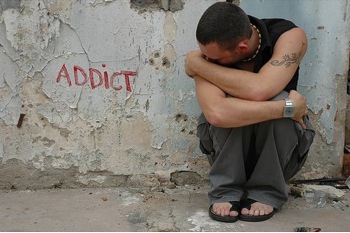
Sadly, when an addict/alcoholic dies all too many families take the decision to limit the truth about the death of their loved one preferring the white lie – “an aneurysm, very sudden!” “A brain tumour, we never knew!” “Heart problems”. In no other situation that I can think of would we ever lie or minimise the truth about someone’s death. Perhaps in the ‘80’s there was a similar stigma surrounding HIV deaths. But discrimination around drug and alcohol use has reached ridiculous proportions.
Discrimination: Headlines scream “junkie”, but why is this considered ok? Why is it considered appropriate for our national media to use these phrases and make them part of our everyday language? No other marginalised or vulnerable group would permit it. In fact, we’d all be up in arms, screaming and citing discrimination. We’ve come a long way with rights on LGBT, disability, mental health and ethnic minorities. There may still be a long way to go, but at least action can be taken when these groups suffer abuse of their condition, race, creed, sexuality, even age!
When will this same consideration be extended to the bereaved families and friends of an addict? Will they ever be able to hold their heads high and say “ yes, sadly he/she died of an overdose”, “ he or she had been drinking excessively for a long time, it was only a matter of time”, “He/she struggled with addiction for many years, it has been very sad for us all”?
There are church services held specifically for families who have been bereaved through addiction. These services give them an opportunity to stand up and speak about addiction. For many, it’s the first time they can say “In memory of my son/daughter who died from an overdose/drinking too much”. It’s a release; the chance to be honest about the death and be comforted by others who know only too well the discrimination they’ve faced.

Why do people, normal hard working, caring individuals consider it acceptable to discriminate in this fashion? I have friends who, forgetting my situation, have made derogatory remarks about drug and alcohol users. I try not to judge them and to rise above it. I’ve lived with the disease of addiction and I’ve experienced bereavement as a result of it. Now I’m proudly standing tall, all 5ft 10’’ of me, and proclaiming my role in helping to reduce discrimination in life.
I’m part of a fantastic service that has delivered help, treatment and support to thousands of individuals and their families. We are an important resource. I’m going to be very loud because I am very proud.

from Western Counselling https://www.westerncounselling.com/blog/death-from-addiction/discrimination/
via Alcohol
Friday, 14 October 2016
Life Skills in Recovery
We all know that to do well, or even excel in life, we need a variety of skills; from simply learning to communicate with ours peers, to being able to read and write. Or at the other extreme – an in depth knowledge of quantum physics – a skill I most certainly don’t have!

We all need skills for life
But for addicts whose ‘using’ and addictive behavioural patterns began before these skills developed – their long-term recovery is threatened, despite their abstinence. It’s well documented that teen drug/alcohol use arrests development. There’s even research that suggests that alcohol use prior to the full development of the frontal lobe (approx. 19yrs) can seriously affect the brain’s ability to work to maximum effect.
We regularly admit clients to Western Counselling who have very limited social functioning. They have no comprehension of how to socialise without the use of drugs and/or alcohol and hold a belief that they need the drugs and/or alcohol to be likeable. They often have zero work experience because their ‘using’ was funded through the misguided generosity of their family or DWP Benefits.
We believe the purpose and mission of our centre is not only to get clients ‘clean’, but also to give them the tools and skills they will need to become functioning members of the community when they leave us. We aim to give each individual the best chance of success after treatment.

Developing life skills through workshops and study groups
We do this by treating addiction through our 12Step programme and by treating individuals holistically, exploring every aspect of their life, beliefs, and family. We believe this is crucial to a recovery that is all encompassing and long lasting. Through our programme of Life Skills workshops in Primary and Secondary treatment clients have an opportunity to improve literacy, numeracy, learn cookery, basic home economics and money management. And through volunteering opportunities they learn transferable life skills and build their self-esteem.
To give our clients even more opportunity to develop life skills Western Counselling is now working in partnership with Lighthouse, a social action charity in Weston-super-Mare. Their Make a Difference Project gives our clients the opportunity to volunteer in the community to train and learn vital skills. Look out for more about this project in my next blog.
Read more of our articles here

from Western Counselling https://www.westerncounselling.com/blog/recovery-from-addiction/life-skills/
via Alcohol
Tuesday, 4 October 2016
Don’t Forget the Family
Addiction is a family illness. It affects everyone who comes into contact with the behaviours. Many of us who have lived with it are often unaware of the severity of the problem. Personally, it took me 8 years to realise that the person in my family who was a heavy drinker and liked the pub, was actually an alcoholic.

I know I’m not alone, I regularly attend Alanon http://www.al-anonuk.org.uk – a support group for those affected by alcoholism – and hear stories of those who have enabled and colluded with their addicted loved one.
They do it in order to hide their own humiliation, embarrassment and/or shame at the situation. We feel guilt. What have we done to cause this? What could we have done to make a difference? How are we supposed to handle what’s happening?
The family are the forgotten ones. Fortunately, more recently emphasis has been placed on assisting families. Western Counselling runs a Family Programme to inform, assist and support families and those affected by another’s addictive behaviours. Through advice and education our programme helps the family understand their role in addiction and recovery. Family members need to realise and admit the part they might have played in enabling their addict; such as lying for them, giving them money or making excuses for them.
Families living with addiction need to be supported through the anxieties and issues they face. They also need an understanding of the treatment process their son, daughter/wife/father/husband/sibling is going through. Every family is different, so our programme is designed to meet a family’s individual needs. We help them to acknowledge what’s happening in the home, their own behaviours in response and allow them to work out how that impacts the situation for all concerned.
Support and assistance in life is critical – but what about support in death? For families the problem often becomes worse if the addict/alcoholic dies and I’ll have something to say about that next time.

from Western Counselling https://www.westerncounselling.com/blog/families-and-addiction/dont-forget/
via Alcohol
Wednesday, 7 September 2016
Denial of Addiction
Addiction is a powerful, all-consuming disease that has chameleon-like qualities. It can easily take shelter behind other problems in an effort to avoid being recognised.
Addiction has no intention of accepting accountability for the destruction it causes instead, it deflects blame on other people or situations. This is why so many addicts find it impossible to see what everyone around them already knows – addiction has not only taken over their life, it is working diligently to destroy it.

For a person struggling with addiction to finally break free, they must first confront their denial. Until they are able to move past denial, there is very little chance they will see the seriousness of the situation for what it really is. Denial is such a common component of addiction, and must be overcome before recovery can begin.
In most cases, addiction slowly progresses, which means that it may be decades before an addict begins to experience the consequences of alcohol and/ or substance abuse. In fact, it is not unusual for addicts to have positive experiences when actively consuming substances, especially in the beginning; it’s why the use continues and escalates. The truth is that addiction tends to creep up slowly, much like a lion stalking its prey.
Despite the changes, an addict may be experiencing in their mind, body, and overall appearance, he or she is often unaware of what is going on. Instead, their family, friends, and even co-workers will begin to see changes in their appearance and behaviour. This leads to a crucial question- if those around them realise there is a problem, why doesn’t the addict?
For an addict or alcoholic, it tends to be easy to connect happy emotions, memories, and feelings with their drug and/ or alcohol use. In most cases, they view drugs and alcohol as a panacea for the problems and stresses they experience in their everyday life, while the negative components of their addiction are attributed to “bad luck” or something else that is out of their control. They see “using” as a way to celebrate, escape unpleasant feelings or memories, relax after a long day, or numb themselves against emotional or physical pain.
On a subconscious level, they are able to defend their usage simply by denying the reality of their situation. As time progresses, their aspirations, goals, and morals become so low that they begin to see this as normal. When they are confronted by someone who suggests they have a problem, they may become aggressive, angry, withdrawn, or even deflect from the situation. Sadly some may die still holding onto the belief that everything is ok.
Only when an individual truly acknowledges their situation and has honesty and self-awareness about their alcohol and/or drug use, can they possibly start the process of recovery

from Western Counselling https://www.westerncounselling.com/blog/addiction-issues/addiction-denial/
via Alcohol
Sunday, 24 July 2016
You are what you do not just what you say you do #addictionrecovery http://ift.tt/1Y21sR4 #residentialrehab #detox

Saturday, 23 July 2016
A daily #happiness jar to record #gratitude every day #addictionrecovery #westerncounselling #residentialrehab

Friday, 22 July 2016
look to yourself for your #selfworth dont expect to find it in or from others #addictionrecovery #westerncounselling
